Parsha Font: The Script Style for Modern Design Projects
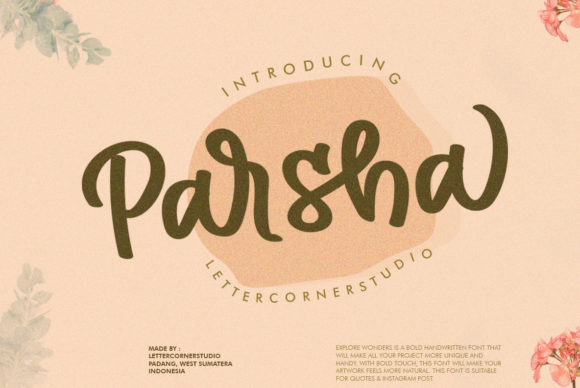
Finding a typeface that balances elegance with practical application can be a challenge, especially when working on projects that require both visual flair and technical precision. Parsha emerges as a distinctive solution, offering a script-like aesthetic that avoids the common pitfalls of connected letterforms. This unique characteristic makes it an invaluable asset for designers seeking a handwritten feel without sacrificing clarity or scalability.
Unlike traditional script fonts where letters join together, Parsha maintains separation between each character. This design choice is more than just stylistic; it solves real-world production problems. For projects like vinyl cutting, screen printing, or laser engraving, connected scripts often require complex weeding or fail to cut cleanly. Parsha’s disconnected letters ensure each character is a distinct unit, making it perfect for applications where individual letters need to be cut, layered, or scaled independently. This makes it exceptionally useful for creating names, titles, or phrases that must be broken up across different cutting mats or production stages.
Practical Applications for Branding and Beyond
The versatility of Parsha extends across numerous design disciplines. Its modern yet approachable script style can significantly enhance a brand's visual identity and communication. Here’s how it can be applied effectively:
- Branding and Logo Design: Parsha can lend a personal, artisanal touch to logos and brand marks, ideal for boutiques, cafes, wedding planners, or lifestyle brands that want to convey warmth and authenticity.
- Marketing and Social Media Graphics: Its clear readability at various sizes makes it excellent for headlines on social media posts, email banners, and digital advertisements where capturing attention quickly is crucial.
- Packaging and Editorial Design: Use Parsha for product names, labels, or magazine cover lines to add a dynamic, handcrafted element that stands out on shelves and pages.
- Web and UI Design: When used sparingly for call-to-action buttons, section headers, or accent text, it can break the monotony of sans-serif body copy and guide the user’s eye.
- Merchandise and Digital Products: From T-shirt designs to digital planners and course graphics, Parsha provides a stylish typographic voice that feels both personal and professional.
Integrating Parsha into Your Design Workflow
Effective typography is a cornerstone of strong visual communication. When incorporating a font like Parsha, consider the broader design system. Its script nature means it works best as a display or headline font, paired with a clean, neutral sans-serif or serif for body text to maintain a clear visual hierarchy. Always test it in context—view it at the intended size, against your chosen color palette, and alongside other design elements to ensure it enhances rather than clutters the layout.
Remember that the goal of any creative asset is to serve the project's communication and aesthetic goals. A font like Parsha isn't just a decorative choice; it's a strategic tool that can evoke specific emotions, improve brand recall, and streamline production workflows. By selecting typefaces that are both visually compelling and functionally robust, designers can create more effective, polished, and professional outcomes that resonate with their audience and stand the test of time.